
A real roofing emergency is a small list. Most of what people call emergencies are urgent but not emergencies. Here is the difference, what to do in the first hour, and what to expect from us when you call.
What Actually Counts as a Roofing Emergency
These four:
1. **Active interior leak** — water visibly dripping inside the home, especially over electrical fixtures or onto finished surfaces
2. **Storm-torn shingles exposing the deck** — visible bare wood from the ground after a wind event, with rain in the forecast
3. **Tree or large branch on the roof** — structural impact requiring assessment before more falls
4. **Ice dam actively flooding the attic** — winter-only emergency that requires steam removal, not DIY chipping
If you have one of these, call us at (440) 645-2003. We respond within 24 hours for tarping and same-day in many parts of Lake and Ashtabula counties.
What's Urgent But Not an Emergency
These need same-week attention but not same-day response:
- Missing or lifted shingles with no current weather
- A small ceiling stain that has dried and not grown
- A pipe boot showing visible cracks
- Granule loss in the gutters
- Raccoon, squirrel, or bird damage to soffit or vents
- A bent or loose section of gutter
Schedule a free inspection within the next few days. These do not need emergency response, but they will become emergencies if ignored through the next storm.
What's Not Even Urgent
These can wait for your normal annual roof inspection:
- Cosmetic shingle damage that is not leaking
- Moss or algae streaking
- Aging shingles that look worn but are not actively failing
- General curiosity about roof condition
Plan for these, but they are not driving immediate damage.
First Hour After You Notice an Active Leak
The first hour matters more than people realize. In order:
**Step 1: Get your family safe.** Move people, pets, and valuables out of the leaking area. Turn off electricity to any fixture water is reaching.
**Step 2: Contain the water.** Use buckets, plastic bins, anything large. Lay towels around the perimeter to catch splash. If water is pooling on the ceiling, poke a small hole in the lowest point with a screwdriver — counterintuitive, but it lets water drain in a controlled stream into a bucket instead of bringing the whole ceiling down.
**Step 3: Document everything.** Take photos and short video clips. Date-stamped phone photos count as evidence for your insurance claim. Capture the leak itself, the water on the floor, any visible interior damage, and the exterior of the roof from the ground.
**Step 4: Call us.** (440) 645-2003. Tell us what's happening, where it's coming through, and what time the leak started. We triage by interior damage severity.
**Step 5: Do not climb on the roof in active weather.** Wet shingles are dangerous, snow-covered roofs are deadly. Wait for our crew.
What We Do When We Arrive
For an active-leak emergency:
1. Quick exterior walk-around to identify the failure point
2. Emergency tarping from the source down — typically a heavy poly tarp with battens screwed into the deck through the failed area
3. Interior assessment for water damage and immediate moisture mitigation needs
4. Photographs and written assessment for your insurance claim
5. Written estimate for permanent repair, scheduled within the next few days
For a tree or branch impact:
1. Structural assessment before anyone steps on the affected area
2. Emergency tarping if the structure is sound
3. Coordination with a tree service if removal is needed before roof work
4. Insurance documentation for the comprehensive claim
For an ice dam flooding the attic:
1. Steam removal of the dam — no chipping, no salt, no hot water
2. Interior moisture mitigation
3. Identification of the underlying cause (typically inadequate attic insulation or ventilation)
4. Plan for permanent prevention before the next freeze
Response Times Across Northeast Ohio
We are based in Ashtabula. Response times by county during peak season:
- **Ashtabula County** (Ashtabula, Conneaut, Geneva, Jefferson, Andover): same-day during business hours, next-morning otherwise
- **Lake County** (Mentor, Painesville, Willoughby, Eastlake): same-day on most calls, next-morning during heavy storm periods
- **Geauga County** (Chardon, Chesterland, Munson Township): same- or next-day
- **Cuyahoga County** (Cleveland, Solon, Beachwood, Shaker Heights, Chagrin Falls): next-day, same-day if local crew availability
- **Summit County** (Akron, Cuyahoga Falls, Stow, Hudson): next-day
- **Mahoning County** (Youngstown, Boardman, Canfield, Poland): next-day
After major regional storms (a confirmed widespread hail event or windstorm), every roofer in Northeast Ohio is stacked. We prioritize emergency-tarping calls over routine work during those weeks. Call early.
What to Avoid in an Emergency
Three mistakes we see homeowners make under pressure:
1. **Signing with the first contractor who knocks on your door.** Storm chasers descend after every major weather event in Northeast Ohio. Out-of-state plates, generic sales pitches, demands for full payment up front — walk away. Real local emergencies get a real local response.
2. **Making permanent repairs before the adjuster sees the damage.** If insurance is involved, do not patch or replace anything beyond emergency stabilization until the adjuster has documented the original damage. Take all the photos you need, but leave the failure visible until the adjuster arrives.
3. **DIY tarp without proper anchoring.** A poorly tarped roof in heavy wind tears off and takes more shingles with it. Worse, climbing on a wet or storm-damaged roof is how people die. Wait for a professional.
Insurance Coverage for Emergency Repairs
Most Ohio homeowner policies cover emergency mitigation costs (the tarp, the temporary patch) as part of a covered claim. Save every receipt. We provide written documentation that meets the adjuster's standards on both the emergency response and the permanent repair scope.
Call (440) 645-2003
24-hour response across Northeast Ohio. Free inspections. Direct insurance claim coordination. Mike answers the phone himself during business hours; the after-hours line goes to the on-call crew.
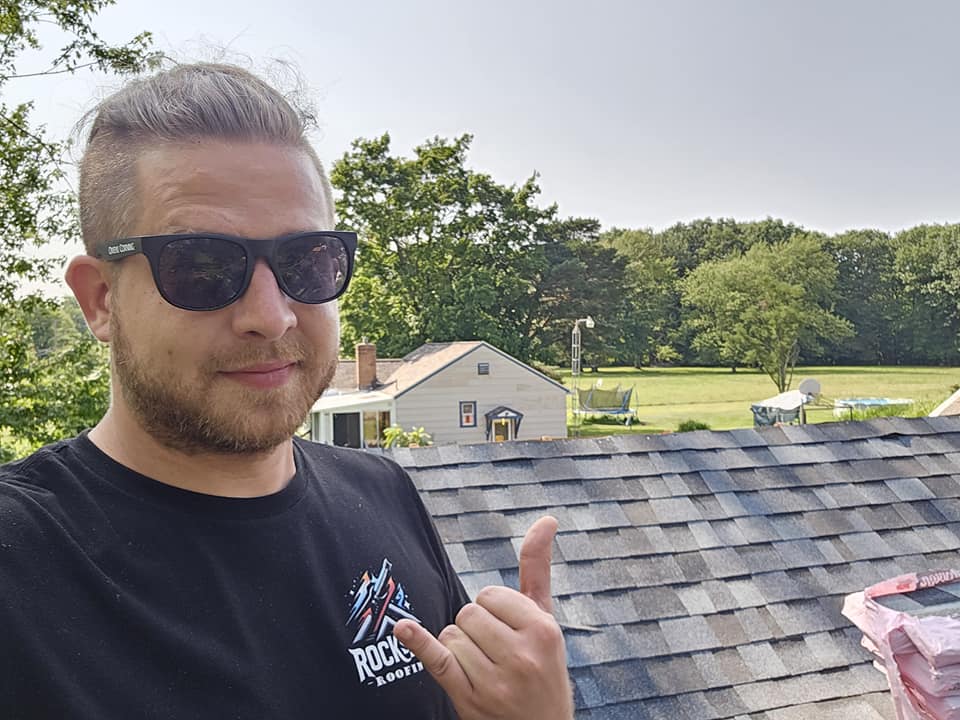
About the Author
Mike Ende — Founder, Rockstar Roofing LLC
Mike Ende has 9+ years of Northeast Ohio roofing experience and founded Rockstar Roofing LLC in 2024. He is an Owens Corning Duration installer, BBB A-rated, fully insured, and personally answers the phone at (440) 645-2003. Based in Ashtabula, OH, Mike serves homeowners across Ashtabula, Lake, Geauga, Cuyahoga, Summit, and Mahoning counties.
Read Mike’s full story →This article was last reviewed and updated on May 10, 2026 by Mike Ende, founder of Rockstar Roofing LLC.