
Lake-effect snow, ice dam formation, freeze-thaw stress, and brutal winds all make Northeast Ohio winters punishing for unprepared roofs. The fall checklist below is what every homeowner in our service area should do between mid-September and late October — before the first hard freeze.
The whole inspection takes about 90 minutes. The damage it prevents typically saves $5,000-$20,000 in winter emergency costs.
The 14-Point Fall Pre-Winter Checklist
### Outdoor Tasks
**1. Clean gutters and downspouts completely.** Every leaf, every twig, every collected granule. Clogged gutters = ice dams in January. Use a gutter scoop, a leaf blower, or a hose. Wear gloves.
**2. Verify downspouts drain at least 4 feet from foundation.** Splash blocks, extensions, or buried drains all work. The goal is water away from the foundation. Pooled water against the foundation in fall = basement seepage in winter.
**3. Trim overhanging branches at least 6 feet back.** Branches drop debris, scratch shingles in wind, provide animal access, and snap under snow load. Cut back well before fall storms make tree work expensive.
**4. Look for missing or damaged shingles.** From the ground with binoculars. Check every slope. Document any concerns with phone photos.
**5. Check flashing around chimneys, vents, and skylights.** Visible from the ground in most cases. Look for rust, lifting, or peeling caulk.
**6. Examine pipe boots at all plumbing penetrations.** Cracked or torn rubber boots are leak sources within months. Replacement is $150-$300 from a roofer; ignored, the leak will appear by January.
**7. Verify drip edge is intact at all eaves and rakes.** Missing or damaged drip edge funnels water behind the gutters and into the fascia.
### Attic Tasks
**8. Inspect attic insulation depth.** Northeast Ohio code minimum is R-49 in the attic floor. Many older homes have R-19 or less. R-49 is roughly 16 inches of fiberglass batts or 14 inches of blown-in cellulose. Insufficient insulation drives ice dams.
**9. Check soffit vents are unblocked.** Insulation pushed against soffit vents is the #1 cause of bad attic ventilation in older Northeast Ohio homes. Pull insulation back; install soffit baffles if needed.
**10. Verify ridge vent or other exhaust ventilation is clear.** Should be visible from inside the attic if you have a ridge vent. Box vents should be clear of leaves and debris.
**11. Look for water staining on the underside of the deck.** Old or new stains indicate past or active leaks. Document with photos and schedule repair.
**12. Verify bath fans and dryer vents terminate outside.** They should not vent into the attic. Improperly terminated vents drive winter moisture into the attic.
### System Checks
**13. Test heat cables (if you have them) before the first heavy snow.** Plug them in for 5-10 minutes and feel that the cable warms up. Heat cables fail at the connection points; verify each section heats. Replace failed cables before they're needed.
**14. Schedule professional inspection if roof is over 12 years old.** Older roofs are at higher risk of winter failure. A free inspection identifies any issues that need attention before the first hard freeze. Wait until November to schedule and you may not get a slot before December.
What Each Check Prevents
The math on a 90-minute checklist:
- Cleaned gutters prevent ice dams ($3,000-$15,000 in interior damage avoided)
- Trimmed branches prevent snow-load impact damage ($1,500-$8,000)
- R-49 insulation prevents ice dams AND saves heating ($800-$2,500 annually + ice dam prevention)
- Cleared soffit vents enable proper attic ventilation (extends roof life 5-8 years)
- Repaired pipe boots and flashing prevent winter leaks ($800-$3,000 in interior repair avoided)
- Tested heat cables prevent localized ice dam formation
- Professional inspection on older roofs catches winter-vulnerable issues
Total typical savings: $5,000-$20,000 in winter emergency costs.
Common Mistakes Homeowners Make in Fall
Three patterns:
**1. Waiting too long to clean gutters.** Mid-November is too late. By then, leaves are still falling, pre-winter snowstorms can hit, and gutter contractors are booked. Clean in late September or early October when leaves have mostly fallen but weather is mild.
**2. Climbing roofs in fall weather.** Cold mornings make wet roofs slippery. Frost-coated shingles are dangerous. If inspection requires getting on the roof, hire a professional.
**3. Skipping the attic.** The most informative inspection happens from inside the attic, not outside. Bring a flashlight, wear long sleeves, and spend 20 minutes looking at every rafter, vent, and insulation patch.
When to Call a Professional
Three findings that should trigger a call within the week:
1. Active leakage in the attic
2. Mold or mildew visible
3. Multiple findings together (sagging + staining + insulation issues)
Free inspection from us covers everything above plus a from-outside roof inspection. We can usually schedule within 5-7 days during fall.
Schedule Your Free Fall Inspection
Call (440) 645-2003 or request a free inspection. Same-week scheduling available across Ashtabula, Lake, Geauga, Cuyahoga, Summit, and Mahoning counties through October.
Sources & Further Reading
- U.S. Department of Energy — winterizing your home
- University of Minnesota Extension — fall maintenance and ice dams
- InterNACHI — fall roof inspection standards
About the Author
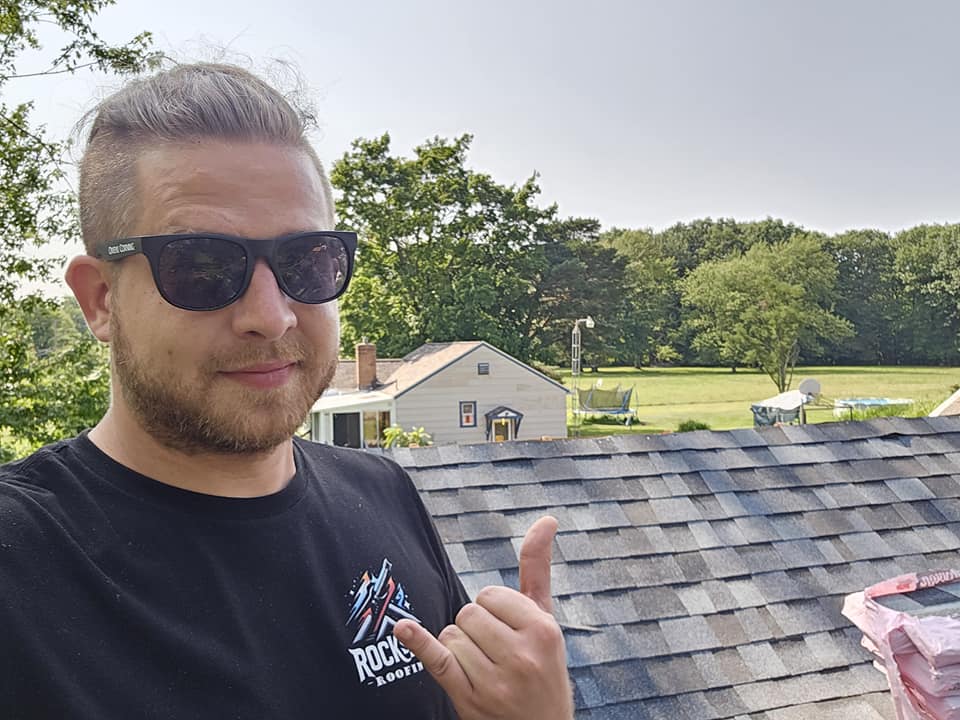
Mike Ende — Founder, Rockstar Roofing LLC
Mike Ende has 9+ years of Northeast Ohio roofing experience and founded Rockstar Roofing LLC in 2024. He is an Owens Corning Duration installer, BBB A-rated, fully insured, and personally answers the phone at (440) 645-2003. Based in Ashtabula, OH, Mike serves homeowners across Ashtabula, Lake, Geauga, Cuyahoga, Summit, and Mahoning counties.
Read Mike’s full story →This article was last reviewed and updated on June 1, 2026 by Mike Ende, founder of Rockstar Roofing LLC.