
Home inspections are one of the most important steps in buying a home. They're also one of the most limited. Standard home inspectors are generalists — they cover plumbing, electrical, HVAC, structure, and a dozen other systems in 2–4 hours. The roof typically gets 10–20 minutes.
Here's what gets missed in Ohio, why it matters, and how a separate roof inspection protects buyers from $5,000–$50,000 surprises.
What a Standard Home Inspection Covers on the Roof
A typical home inspector evaluates the roof one of two ways:
1. **From the ground with binoculars** — most common. Catches obvious issues: missing shingles, sagging, visible rust on flashing, gross debris.
2. **From a ladder at the eave** — sometimes. Catches more: condition of gutters, edge of shingle field, flashing at one or two transitions.
A small percentage of inspectors actually climb the roof. Of those who do, most spend 5–10 minutes on it.
The deliverable is usually one of three categories on the inspection report:
- "Roof appears to be in serviceable condition"
- "Roof shows signs of wear; recommend further evaluation by a licensed roofer"
- "Roof appears to be at end of useful life; replacement recommended"
That's it. The inspector isn't paid to find every hidden roof problem — they're paid to identify whether the buyer should investigate further.
What Home Inspectors Routinely Miss
Five categories of damage that don't show up in standard inspections:
### 1. Bruised Shingles from Hail
Hail damage shows as small dark circles where granules have been knocked loose. Visible only from on the roof itself, and only when you know what to look for. From the ground, hail-damaged shingles look fine.
In Northeast Ohio, every roof 5+ years old has been through at least one hail event. Hail damage that's not addressed leads to accelerated granule loss within 12–18 months and major leaks within 3–5 years.
A roofer who climbs the roof can identify hail damage immediately. A home inspector usually cannot.
### 2. Failed Underlayment Under Intact Shingles
The waterproof membrane beneath the shingles can fail (torn, lifted, deteriorated) while the shingles above still look fine. Water enters at the failed underlayment, runs along the deck, and exits at a low point — sometimes years later, sometimes 20 feet away from the actual failure.
This is invisible without lifting shingles. Home inspectors don't lift shingles.
### 3. Deck Rot Under Unbroken Shingles
The roof deck (OSB or plywood) can rot from below — typically because of inadequate attic ventilation creating condensation, or slow leaks that haven't yet shown inside. The shingles on top look fine because the rot is on the underside.
You can sometimes feel deck rot by walking the roof — soft spots underfoot. Home inspectors who don't climb miss this entirely. Home inspectors who climb sometimes don't walk all of it.
The fix: a roofer's inspection that includes attic-side examination of the deck.
### 4. Hidden Chimney Flashing Failures
Step flashing along the chimney sides can pull away from the brick over time, creating gaps that water enters through. From the ground, the chimney looks fine. Even from the roof, the failure can be hidden by the shingles overlapping the flashing.
A roofer's inspection includes lifting shingles at the chimney edge and checking the flashing-to-brick seal. Home inspectors don't do this.
### 5. Inadequate Ice and Water Shield
The waterproof membrane that should run along eaves and valleys to prevent ice dam damage. Many older Ohio homes have minimal ice and water shield (24-inch strip at eaves) or none. Without it, ice dams during winter freeze-thaw cycles drive water under the shingles and into the deck.
You can't see ice and water shield from the outside. The only way to verify it's adequate is to ask whether it's there — and most home inspectors don't ask.
What Each Type of Hidden Damage Costs
Real numbers for what a home buyer is exposed to without a separate roof inspection:
- **Bruised shingles, no insurance claim filed:** $9,000–$15,000 (full replacement in 2–3 years instead of 25–30)
- **Failed underlayment, single section:** $1,500–$4,000 to repair properly
- **Deck rot, 4–8 sheets:** $1,000–$2,500 added to next replacement cost
- **Failed chimney flashing leaking into wall:** $3,000–$15,000 (interior wall demolition, mold remediation, repair)
- **No ice and water shield, ice dam damage in first winter:** $5,000–$20,000 (interior repair + roof rehabilitation)
A separate roof inspection ($0–$300 depending on whether the roofer offers free inspections) can identify all of these. The savings vs. inheriting them as new homeowner are dramatic.
What to Ask Your Home Inspector
Three questions:
1. **Did you climb the roof?** If no, ask why and whether they recommend a separate roof inspection.
2. **Did you walk every slope?** Damage often concentrates on north or east-facing slopes that aren't easily visible from one vantage point.
3. **Did you check the attic from inside?** Roof deck condition, ventilation, and underlayment integrity are often only visible from the attic side.
If the answers are no/no/no, get a separate roof inspection.
What a Roofer's Inspection Should Include
Five things a quality roof inspection covers that home inspections miss:
1. On-roof examination of every slope, looking for hail damage, granule loss patterns, and lifted edges
2. Lifting representative shingles to check underlayment condition
3. Walking the roof to feel for deck rot under intact shingles
4. Examining flashing at chimneys, walls, and skylights up close
5. Attic-side inspection for ventilation, ice and water shield evidence, and deck condition
The deliverable should be a written report with photos showing exactly what was found. Free inspections from us include this report regardless of whether you hire us for any work.
When to Get a Roof Inspection During Home-Buying
The right sequence:
1. **Make the offer with an inspection contingency** — gives you 7–14 days to investigate before committing.
2. **Schedule the standard home inspection** — 2–4 hours, $400–$700 typical cost.
3. **Schedule a separate roofer's inspection** — typically free or $0–$300.
4. **Use the findings to negotiate** — credit at closing, price reduction, or seller-paid repairs.
The roofer's inspection is the highest-ROI single-item in the entire buying process. We've seen $20,000+ price reductions or seller-paid replacements result from a free 30-minute inspection.
Free Pre-Purchase Roof Inspection
Call (440) 645-2003 or request a free inspection. We work with home buyers across Northeast Ohio, can typically schedule within 48 hours, and provide a written report you can use during negotiations. We bill nothing if you don't end up buying the home.
Sources & Further Reading
- American Society of Home Inspectors — what's covered
- InterNACHI — residential roof inspection standards
- Ohio Department of Commerce — home inspection licensing
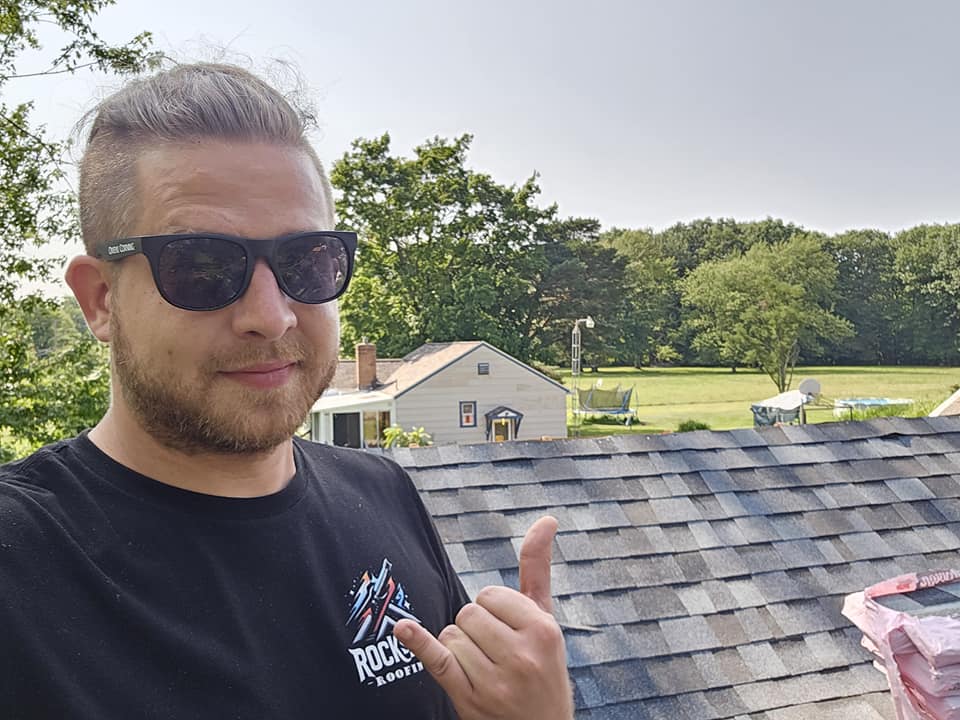
About the Author
Mike Ende — Founder, Rockstar Roofing LLC
Mike Ende has 9+ years of Northeast Ohio roofing experience and founded Rockstar Roofing LLC in 2024. He is an Owens Corning Duration installer, BBB A-rated, fully insured, and personally answers the phone at (440) 645-2003. Based in Ashtabula, OH, Mike serves homeowners across Ashtabula, Lake, Geauga, Cuyahoga, Summit, and Mahoning counties.
Read Mike’s full story →This article was last reviewed and updated on May 27, 2026 by Mike Ende, founder of Rockstar Roofing LLC.