
Insurance carriers in Ohio deny roof claims at rates between 15% and 25% depending on the carrier and the specific claim type. Most denials are predictable and preventable.
Here are the seven most common reasons claims get denied in Ohio, the underlying cause of each, and the specific actions that prevent the denial.
Denial Reason 1: Filing Too Late After the Storm Event
What it sounds like: "Claim submitted outside reasonable reporting period."
What actually happened: You waited months or years between the storm event and reporting the damage. The carrier argues that intervening weather has caused or worsened the damage you're now claiming.
How to prevent: File within 30 days of the storm event. Ohio law typically allows up to one year, but practical experience says 30 days produces dramatically higher approval rates. The carrier's argument that "this damage could have happened anytime" gets harder to make when you filed within 30 days of a documented storm.
If you've already missed the 30-day window: pull the National Weather Service storm report for the date in question, document with dated photographs, and have a roofing contractor write an assessment that ties the specific damage pattern to the documented weather event.
Denial Reason 2: No Documented Storm in the NWS Record
What it sounds like: "No qualifying weather event identified in the area on the date claimed."
What actually happened: You believed a storm caused the damage, but the National Weather Service record for that date doesn't show qualifying severe weather (typically requires 1+ inch hail, 60+ MPH wind, or other documented severe event).
How to prevent: Before filing, pull the NWS Local Storm Reports for your zip code on the date in question. If there's no qualifying event documented, the claim is essentially dead on arrival — you'll need to find a different documented date or accept that the damage may not be insurance-eligible.
For homeowners in Northeast Ohio: NWS Cleveland Forecast Office maintains storm reports going back years. Lake Erie storm events are typically well-documented because of the heavy lake-effect activity.
Denial Reason 3: Damage Attributed to Wear and Tear
What it sounds like: "Damage appears to be the result of normal aging and lack of maintenance, not a covered peril."
What actually happened: The carrier's adjuster argues that your aging roof was already due for replacement and the storm just accelerated the inevitable. This is the single most common denial reason on legitimate-looking claims.
How to prevent: Document age and pre-storm condition as best you can. If you have prior roofing receipts showing the install date, those help. If you have photos of the roof from before the storm event (sometimes from real estate listings, drone footage, or routine home photos), include them.
Most importantly: have a roofing contractor present during the adjuster's inspection. The contractor walks the roof with the adjuster, identifies the specific damage patterns that prove storm causation, and counter-arguments to the wear-and-tear narrative. We do this on every claim we're involved in, and approval rates are dramatically higher.
Denial Reason 4: Prior Unpermitted Work Voiding Policy Provisions
What it sounds like: "Loss not covered due to non-conforming installation."
What actually happened: The previous roof or repair was installed without proper permits or to non-code standards. The carrier discovers this during their investigation and argues the policy doesn't cover damage to a non-conforming installation.
How to prevent: When buying a home, request all permit history during the inspection contingency. When having work done, always pull required permits — the savings are imaginary and the liability is real. If you discover the prior work was unpermitted, get a current code-compliance review and document any required corrections before filing claims.
Denial Reason 5: ACV Depreciation Eating Most of the Payout
What it sounds like: Claim approved, but settlement is dramatically smaller than the cost to replace.
What actually happened: Your policy is ACV (Actual Cash Value) instead of RCV (Replacement Cost Value). ACV pays you the depreciated value of the roof — a 20-year-old asphalt roof that originally cost $10,000 is depreciated by 75% or more, so you might receive $2,500 of a $14,000 replacement.
This isn't technically a denial but feels like one because you can't actually pay for replacement with the settlement.
How to prevent: Check your declarations page for "ACV" vs "RCV". Switch to RCV before any potential storm event. Most Ohio carriers offer RCV at 5–15% premium increase — one of the highest-ROI insurance moves a homeowner can make.
If you have an active claim and the ACV settlement won't cover the actual repair cost: get three written replacement estimates from different contractors, present them to the adjuster, and request reconsideration. Some carriers will increase the settlement to match a documented contractor estimate even on ACV policies.
Denial Reason 6: Cosmetic Damage Exclusions
What it sounds like: "Damage classified as cosmetic; not covered under policy provisions."
What actually happened: Your policy includes a "cosmetic damage" exclusion that lets the carrier exclude any damage that doesn't affect functionality. This shows up most often on metal roof denting (hail damage that doesn't leak yet) and on shingle granule loss that hasn't yet caused water intrusion.
How to prevent: Read your policy declarations and exclusions carefully before any incident. If your policy has a cosmetic damage exclusion and you have a hail-prone roof type (metal especially), consider switching carriers or paying extra to remove the exclusion.
For active claims: contractor documentation showing the cosmetic damage will become functional damage within 12–24 months strengthens the case. Bruised asphalt shingles, for example, are technically cosmetic at the moment of inspection but lead to granule loss and water intrusion within months.
Denial Reason 7: Lack of Contractor Documentation
What it sounds like: "Insufficient evidence to support claim of storm-caused damage."
What actually happened: You filed the claim alone, the adjuster came out without your contractor, and the adjuster's documentation says minimal damage. The carrier denies based on their adjuster's report.
How to prevent: Always have a contractor present at the adjuster's visit. The contractor:
1. Walks every slope with the adjuster
2. Marks every hail hit with chalk so the adjuster can't miss them
3. Photographs each impact independently
4. Documents the specific damage patterns that prove storm causation
5. Pushes back on the adjuster's first-pass scope if it's too narrow
Homeowners who have a contractor present during the adjuster visit consistently receive higher settlements than those who handle it alone. We do this on every claim we're involved in across Northeast Ohio.
What to Do If You're Already Denied
Five-step process for appealing a denial:
1. **Request the denial letter in writing** with the specific reason cited.
2. **Get a roofer's inspection and written assessment** that addresses the denial reason directly.
3. **Pull the NWS storm report** for the date in question if not already done.
4. **File a supplement** — a formal request for reconsideration with the additional documentation.
5. **Engage a public adjuster** if the supplement is denied — public adjusters work on contingency (10–15% of additional recovery) and often get denied claims overturned.
Ohio Department of Insurance also accepts complaints if you believe the denial was unreasonable. Carriers often resolve complaint-flagged claims rather than face regulatory review.
How We Help With Insurance Claims
We document storm damage with detailed photos and measurements, file claims with the proper terminology insurance companies require, meet your adjuster on-site to walk the roof together, file supplements if the initial estimate falls short, and complete all repairs once approved. We do not charge for claim work itself — our compensation comes from the approved repair scope.
Free Storm Damage Inspection
Call (440) 645-2003 or request a free inspection. We document everything for your insurance claim and meet your adjuster at your property to maximize your covered repair scope.
Sources & Further Reading
- Ohio Department of Insurance — homeowners coverage
- National Weather Service Cleveland — storm reports
- Insurance Institute for Business & Home Safety — claims best practices
About the Author
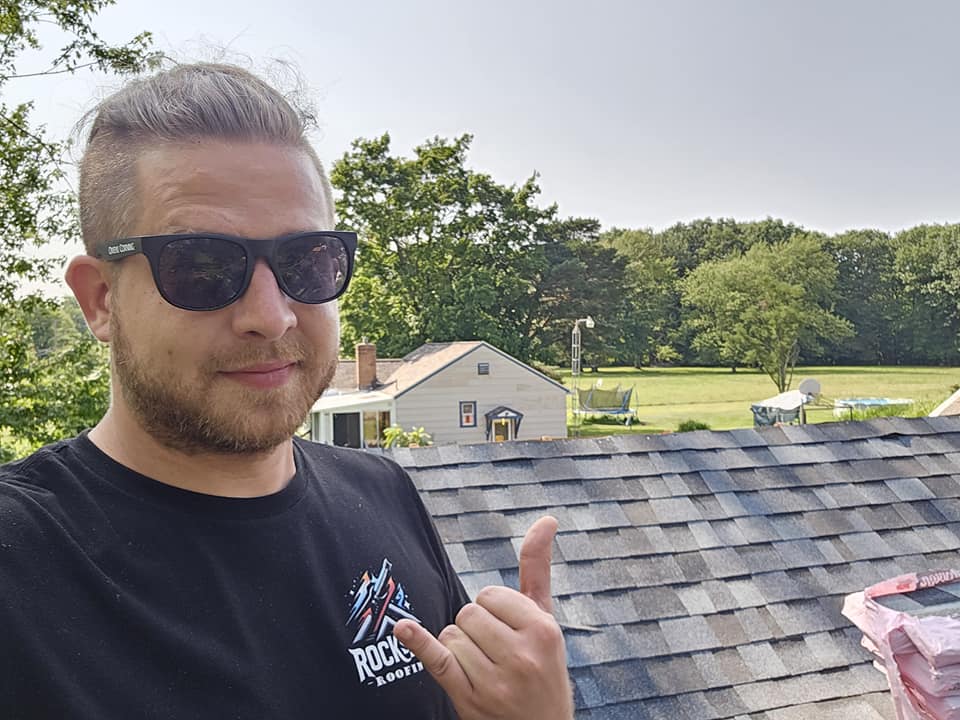
Mike Ende — Founder, Rockstar Roofing LLC
Mike Ende has 9+ years of Northeast Ohio roofing experience and founded Rockstar Roofing LLC in 2024. He is an Owens Corning Duration installer, BBB A-rated, fully insured, and personally answers the phone at (440) 645-2003. Based in Ashtabula, OH, Mike serves homeowners across Ashtabula, Lake, Geauga, Cuyahoga, Summit, and Mahoning counties.
Read Mike’s full story →This article was last reviewed and updated on May 28, 2026 by Mike Ende, founder of Rockstar Roofing LLC.