
Proper roof ventilation is one of the most overlooked factors in roof longevity and home comfort. In Northeast Ohio, where homes endure extreme temperature swings from subzero winters to humid summers, ventilation problems cause premature shingle failure, ice dams, mold growth, and inflated energy bills. Rockstar Roofing LLC ensures every roof we install across Ashtabula, Lake, Geauga, and Cuyahoga counties has proper ventilation.
What Does Roof Ventilation Do?
Roof ventilation creates a continuous airflow path through your attic space. Cool air enters through intake vents at the soffits and warm air exits through exhaust vents at the ridge. This airflow serves two critical functions. In winter, it keeps the attic cold enough to prevent snow from melting on the roof surface and forming ice dams. In summer, it exhausts superheated air that can reach 150 degrees or more, reducing cooling costs and preventing heat damage to shingles from below.
Signs of Poor Ventilation in Ohio Homes
Ice dams forming along your eaves in winter are the most obvious sign. Other indicators include excessive attic heat in summer that you can feel through upstairs ceilings, mold or mildew on attic sheathing, rusty nails protruding through the roof deck in the attic, peeling exterior paint on your overhangs, and shingles that age and curl prematurely compared to neighboring homes.
How Much Ventilation Does Your Roof Need?
The general rule is 1 square foot of net free ventilation area for every 150 square feet of attic floor space. This should be split equally between intake and exhaust. A 1,500 square foot attic needs 10 square feet of total ventilation, with 5 square feet at the soffits and 5 square feet at the ridge. Many older Ohio homes were built with far less ventilation than current standards require.
Types of Roof Ventilation
Ridge vents run along the peak of your roof and provide continuous exhaust ventilation. They are the most effective and least visible exhaust option. Soffit vents are installed in the eave overhangs and provide intake air. Box vents and turbine vents are older exhaust options that work but are less efficient than continuous ridge vents. Powered attic fans can actually cause problems by creating negative pressure that pulls conditioned air from your living space.
Why Rockstar Roofing Installs Ridge Vents on Every Roof
When Rockstar Roofing installs a new roof, we include continuous ridge vent as standard. We verify that soffit intake vents are clear and unblocked by insulation. We install baffles to maintain airflow channels between the insulation and roof deck. This balanced ventilation system protects your new roof from the day it is installed and maximizes shingle lifespan.
Ventilation and Your Shingle Warranty
Most shingle manufacturers, including Owens Corning, require adequate attic ventilation as a condition of their warranty. If your attic ventilation does not meet the manufacturer's specifications and your shingles fail prematurely, your warranty claim may be denied. Rockstar Roofing ensures every installation meets or exceeds these requirements.
Schedule a Ventilation Assessment
If you are concerned about your roof ventilation or are seeing signs of problems, call Rockstar Roofing at (440) 645-2003 for a free estimate. We serve Mentor, Geneva, Painesville, Chardon, Solon, Cleveland, Akron, and all of Northeast Ohio.
Sources & Further Reading
- U.S. Department of Energy — attic ventilation
- FHA Minimum Property Requirements — ventilation
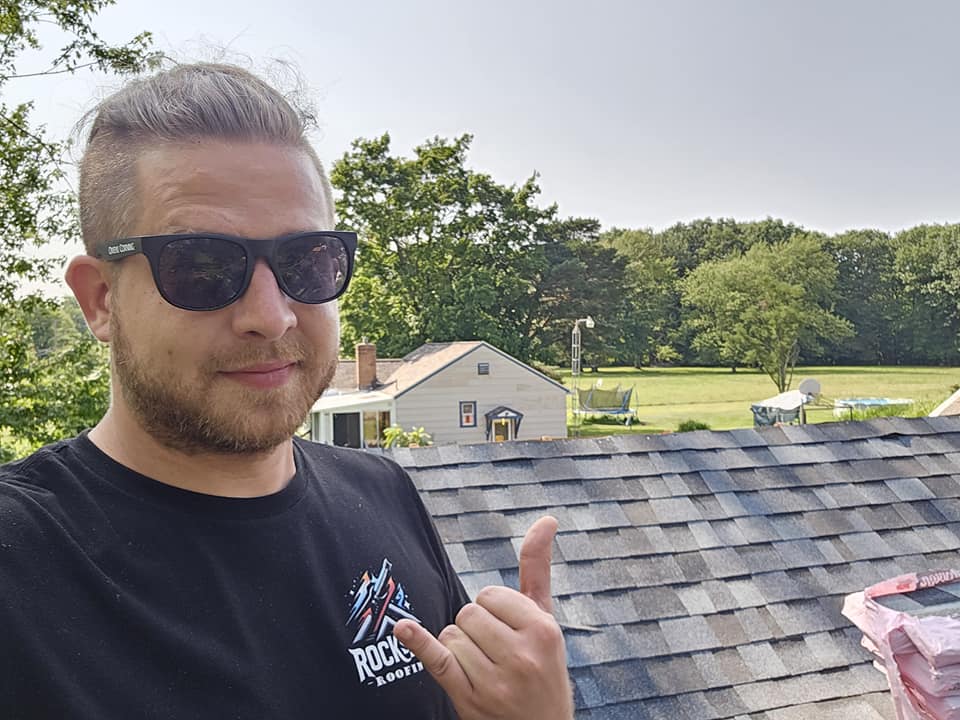
About the Author
Mike Ende — Founder, Rockstar Roofing LLC
Mike Ende has 9+ years of Northeast Ohio roofing experience and founded Rockstar Roofing LLC in 2024. He is an Owens Corning Duration installer, BBB A-rated, fully insured, and personally answers the phone at (440) 645-2003. Based in Ashtabula, OH, Mike serves homeowners across Ashtabula, Lake, Geauga, Cuyahoga, Summit, and Mahoning counties.
Read Mike’s full story →This article was last reviewed and updated on May 5, 2026 by Mike Ende, founder of Rockstar Roofing LLC.