
Choosing a roofing material is a 25-year decision. Get it right and you forget about your roof until the next homeowner deals with it. Get it wrong and you'll be back here in 12 years.
Below is how each material holds up in Northeast Ohio's climate: freeze-thaw cycles, lake-effect snow, summer heat and occasional severe hail.
Asphalt Shingles: The Default Right Answer for Most Homes
At Rockstar Roofing LLC, based in Ashtabula, Ohio, roughly 80% of the new residential roofs we install in Lake, Ashtabula, Geauga, and Cuyahoga counties are asphalt shingles.
Pros
- Lowest upfront cost of any quality material ($9,000–$15,000 for a typical home)
- Wide selection of colors and styles to match any home
- 25–30 year practical lifespan with quality architectural shingles
- Easy to repair if a single section fails
- Class 4 impact-resistant options for hail-prone areas
- Insurance discounts available with Class 4 ratings
Cons
- Shorter total lifespan than metal or slate
- Shingles end up in landfills at end of life
- Granule loss starts at year 15–20
- Wind-vulnerable on cheaper grades
Best for: Most Northeast Ohio homes, especially if you plan to own the home for less than 25 years.
Within asphalt, three tiers
- 3-tab: $4–$5 per sq ft. 15–20 year life. Avoid for new installs.
- Architectural (laminated): $6–$8 per sq ft installed. 25–30 year life. Standard recommendation.
- Premium / Class 4 impact: $8–$11 per sq ft installed. 30–35 year life. Worth it for hail-prone areas (Geauga County, southern Cuyahoga).
Metal Roofing: The Long-Game Investment
Metal roofs are growing fast in Northeast Ohio, especially along Lake Erie, where standing-seam panels shed heavy snow loads.
Pros
- 50+ year lifespan (most outlive the original homeowner)
- Sheds snow efficiently, significantly reduces ice dam risk
- Class A fire rating
- Lightweight (won't stress structures)
- Recyclable at end of life
- Available in colors that mimic shake, slate, or traditional metal
Cons
- 2–3x the upfront cost of asphalt ($18,000–$45,000 depending on size and profile)
- Hail can dent (especially aluminum and lighter steel gauges)
- Requires specialized installation crew, fewer contractors qualified
- Older designs are noisy in rain (modern installs over solid decking with underlayment are not)
Profiles
- Standing-seam: Vertical raised seams. Most common modern choice. Cleanest look. Best snow shedding.
- Stamped metal shingles: Looks like architectural shingles or shake from the street. Compromise between aesthetic and durability.
- Corrugated: Industrial look. Common on barns, sheds, and modern farmhouses.
Best for: Long ownership horizons (10+ years), heavy snow areas (Mentor-on-the-Lake, Eastlake, lakefront Ashtabula), and homeowners who want to never roof again.
Slate: The 100-Year Permanent Choice
You see real slate on older homes in Cleveland Heights, Shaker Heights, Chagrin Falls, Gates Mills, and Lake Erie shoreline neighborhoods. Slate is about the longest-lasting roof material you can buy.
Pros
- 75–125 year lifespan
- Class A fire rating
- Beautiful, patina improves with age
- Increases home resale value substantially
- Period-correct for historic homes
Cons
- $25,000–$80,000+ for a typical home
- Heavy, many homes need structural reinforcement before installation
- Requires specialized slate roofers (not most asphalt crews)
- Individual slates are fragile if walked on
- Slow installation (weeks, not days)
Best for: Historic homes that already have slate. Long-term ownership. High-end properties where the roof is part of what buyers pay for.
Synthetic slate alternative: Composite "synthetic slate" looks similar at half the weight and a third of the cost. 50-year warranties common. A reasonable compromise for homes that want the look without the structural reinforcement.
Cedar Shake and Shingles: Rare in Ohio
Cedar shake has a distinctive look, but it wears fast in Northeast Ohio's climate.
Pros
- Distinctive natural look
- Good insulation properties
- Lightweight
Cons
- 20–40 year lifespan, lower in humid Ohio summers
- Requires regular treatment for moss, mildew, and rot
- Moisture-prone, Ohio humidity accelerates wear
- Higher fire risk (Class B with treatment, Class C without)
- Insurance premiums often higher
- Scarcer crews qualified to install properly
Best for: Specific architectural styles (Cape Cod, mountain rustic) where the look matters more than longevity. We rarely recommend cedar in our climate.
Clay and Concrete Tile: Rare in Ohio
Tile is common in the Southwest and rare here because of freeze-thaw cycles.
Pros
- 50+ year lifespan in dry climates
- Class A fire rating
- Excellent insulation
Cons
- Freeze-thaw cycles in Ohio crack traditional clay tile within 15–25 years
- Very heavy: most homes need structural reinforcement
- High upfront cost ($20,000–$60,000)
- Limited color and style options
- Cracked tiles are difficult to replace as production changes
Best for: Almost never in Ohio. Concrete tile is more freeze-thaw tolerant than clay but still uncommon.
Flat Roof Systems: For Low-Slope Sections Only
Most Northeast Ohio homes don't use a flat roof as the main system, because the region gets too much snow and rain. They are used on porch covers, room additions, and commercial buildings.
TPO (thermoplastic polyolefin): $5–$10 per sq ft. 20–30 year life. Heat-welded seams. White membrane reflects heat. Best commercial choice.
EPDM (rubber): $4–$8 per sq ft. 25–30 year life. Black single-ply. Excellent cold-weather performance. Best residential porch choice.
Modified bitumen: $3–$6 per sq ft. 15–20 year life. Multi-layer asphalt. Budget choice with higher maintenance.
How Do You Choose a Roofing Material in Ohio?
Three questions settle most decisions:
- How long will you own the home? Under 10 years: asphalt. 10–25 years: architectural asphalt or Class 4 impact-resistant. 25+ years: metal or slate make sense.
- What's your budget? Under $15,000: asphalt. $15,000–$30,000: architectural with upgrades, or basic metal. $30,000+: metal, synthetic slate, or real slate.
- What does the rest of the neighborhood look like? Match the architectural standard. A standing-seam metal roof on a colonial in Shaker Heights looks great. The same roof on a 1960s ranch in Mentor sticks out and may hurt resale.
What We Install Most
For Northeast Ohio, our default recommendation is Owens Corning Duration architectural shingles in a color that matches the home's siding and trim. SureNail technology gives a 130 MPH wind rating. 25–30 year practical life. $9,000–$15,000 installed on a typical home.
For homeowners who want longer lifespan or are in heavy-snow zones, we install standing-seam metal: typically 24-gauge steel in a low-profile seam. $25,000–$40,000 installed.
For specialty situations (historic homes, premium properties, or porches and additions), we install synthetic slate or EPDM/TPO as appropriate.
Free Estimate
We'll look at your home and match the material to your budget and timeline. We don't push upgrades, and we only recommend materials we believe in.
Call (440) 645-2003 or request a free estimate online. Mike Ende brings 9+ years of roofing experience across Ashtabula, Lake, Geauga, Cuyahoga, Summit, and Mahoning counties.
Frequently Asked Questions
What is the best roofing material for a Northeast Ohio home?
For most homes, architectural asphalt shingles are the right choice. They cost $9,000 to $15,000 installed on a typical home and last 25 to 30 years. Our default is Owens Corning Duration, which carries a 130 MPH wind rating.
Is a metal roof worth it in Ohio?
Metal makes sense if you plan to stay a long time or live in a heavy-snow area such as Mentor-on-the-Lake, Eastlake or lakefront Ashtabula. It lasts 50+ years and sheds snow well, which reduces ice dam risk. It costs 2 to 3 times as much as asphalt, and hail can dent lighter gauges.
Are Class 4 impact-resistant shingles worth the extra cost?
They are worth it in hail-prone areas such as Geauga County and southern Cuyahoga. Class 4 shingles cost $8 to $11 per square foot installed and last 30 to 35 years. A Class 4 rating can also qualify you for an insurance discount.
Why are cedar shake and clay tile rare in Ohio?
Ohio humidity speeds up wear on cedar, which needs regular treatment for moss, mildew and rot. Freeze-thaw cycles crack traditional clay tile within 15 to 25 years. Concrete tile handles freeze-thaw better than clay but is still uncommon here.
What roof works for a porch or low-slope addition?
Low-slope sections use a flat roof system. EPDM rubber costs $4 to $8 per square foot, lasts 25 to 30 years and is the best residential porch choice. TPO costs $5 to $10 per square foot and lasts 20 to 30 years.
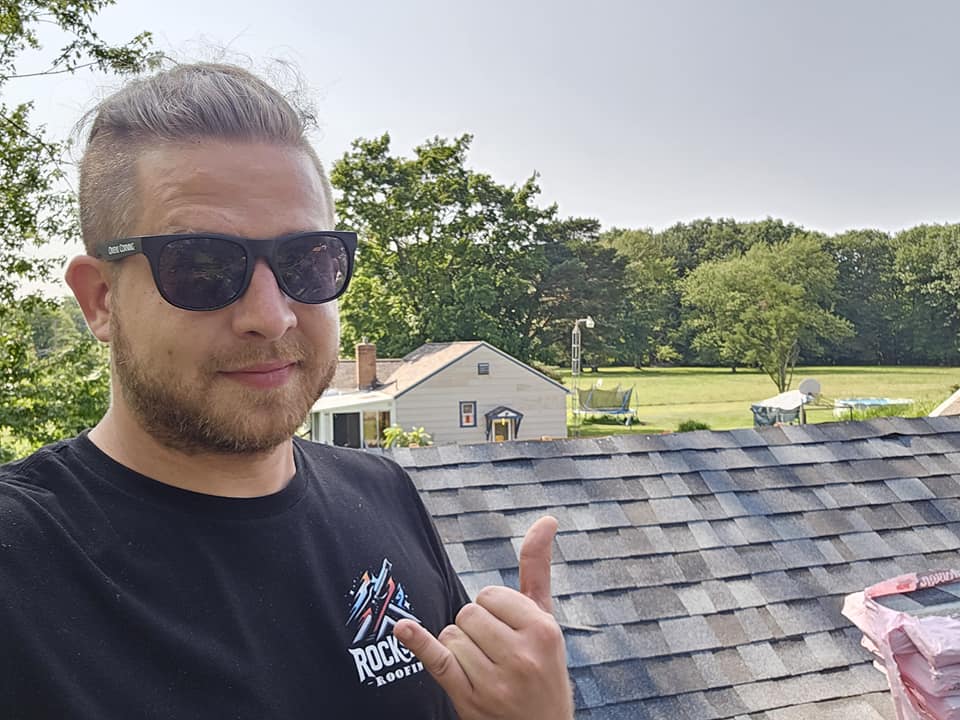
About the Author
Mike Ende, Founder, Rockstar Roofing LLC
Mike Ende has 9+ years of Northeast Ohio roofing experience and founded Rockstar Roofing LLC in 2024. He is an Owens Corning Duration installer, BBB A-rated, fully insured, and personally answers the phone at (440) 645-2003. Based in Ashtabula, OH, Mike serves homeowners across Ashtabula, Lake, Geauga, Cuyahoga, Summit, Mahoning, and Stark counties.
Read Mike’s full story →This article was last reviewed and updated on November 2, 2026.