
Solar is one of the better long-term investments an Ohio homeowner can make. Federal tax credits, state incentives, and falling panel costs have flipped the math — most well-designed residential systems pay for themselves within 8–12 years and continue producing for 15+ years after that.
But here's the conversation almost no solar installer will start with you: putting solar on an aging roof is one of the most expensive mistakes a homeowner can make.
Here's what to evaluate before you sign a solar contract.
The Math That Solar Installers Don't Show You
Solar panels last 25–30 years. The roof underneath them needs to last just as long, because removing and re-installing solar panels during a future roof replacement costs $3,000–$8,000 every time it happens.
If your roof has 15 years of life left and you put 25-year solar panels on it, you'll need at least one removal-and-reinstall cycle (roof replacement at year 15, panels removed and reinstalled). At year 30 the panels are at end of life and you start over.
If your roof has 25 years of life left, you have one round of solar that lasts the roof's life. The math is dramatically better.
How to Evaluate Your Roof Before Going Solar
Three checks before you sign anything:
### 1. Roof Age
How old is your current roof?
- **0–10 years:** Generally fine for solar. Roof should outlast the first solar system.
- **10–15 years:** Borderline. Get a professional inspection to assess remaining life.
- **15+ years:** Replace before solar. The math doesn't work otherwise.
- **20+ years:** Definitely replace before solar. No question.
### 2. Roof Material
Asphalt shingles work for solar but have a known endpoint. Other materials affect the conversation:
- **Architectural asphalt (typical):** 25–30 year life. If 0–8 years old, fine for solar. Older, replace first.
- **3-tab asphalt:** 15–20 year life. If 0–5 years old, fine for solar. Older, replace first. Better yet, upgrade to architectural.
- **Standing-seam metal:** 50+ year life. Excellent for solar — panels can clamp directly to seams without penetration.
- **Slate, tile, cedar:** Specialty installation required. Cost goes up significantly. Many solar installers won't quote.
- **Flat roofing (TPO, EPDM):** Ballasted or rail-mounted systems work. Different installer required than for pitched roofs.
### 3. Roof Condition
Get a roofer's inspection (free with us) before any solar contractor evaluates the roof. The roofer can tell you:
- Is the deck (OSB or plywood) solid throughout?
- Is the existing flashing intact?
- Are there any active or recent leaks?
- Is the attic ventilation adequate (matters more after panels go up)?
- Is the roof under any active warranty that solar installation might void?
What to Ask a Solar Installer
Five questions before signing:
**1. Will you guarantee no leaks for the full life of the panel system?**
Quality solar installers stand behind their roof penetrations with a 10–25 year leak warranty. Cheap installers exclude leak coverage entirely and shift liability back to the homeowner.
**2. What flashing system do you use at each penetration?**
Best practice is a metal flashing kit (like QuickMount or similar) that integrates with the shingle and creates a watertight seal independent of caulk. Avoid installers who rely on caulk or sealant alone — that fails within 5 years and starts leaking.
**3. How many roof penetrations does your design require?**
Fewer is better. Each penetration is a potential leak point and a potential reroof complication. Ballasted systems on flat roofs require zero penetrations. Standing-seam metal systems require zero penetrations (clamps grip the seams). Asphalt-shingle systems require 30–60 penetrations on a typical home.
**4. Will you remove and reinstall panels for free if I need a roof repair under warranty?**
Some installers offer this; most charge full removal-and-reinstall fees for any roof access. Ask in writing.
**5. Is your system designed for serviceability?**
If a panel fails or needs replacement, can it be done without disturbing adjacent panels? Some "panel skirt" designs lock the entire array together, making single-panel service expensive.
When to Replace the Roof FIRST
Replace before solar if any of these:
- Roof is 12+ years old
- Roof shows visible damage (curled shingles, granule loss, lifted edges)
- You're seeing repeated repairs in the same area
- Attic shows water staining
- Your roof is single-layer 3-tab and you're considering the upgrade anyway
- You're already planning a re-roof in the next 5–7 years
The financing math: if you finance the roof replacement at 7% over 10 years, the monthly cost is roughly $130/month per $10,000 of roof. The savings from solar typically more than offset this — but only if you sequence the projects correctly. Replace roof first; install solar second.
When the Roof CAN Wait
If you've got a 5-year-old architectural shingle roof with no damage, no leaks, and good ventilation, you're fine to install solar now. The roof will outlast the first generation of panels.
The Removal-and-Reinstall Trap
The single most common bad outcome we see: homeowner installs solar on a 17-year-old roof. Five years later (year 22 on the roof), the roof needs replacement. Solar installer charges $5,000–$8,000 to remove panels for the re-roof, then another $3,000–$5,000 to reinstall. Total surprise cost: $8,000–$13,000. The savings from "saving" on a roof replacement disappear immediately.
If the panels are removed during re-roof and the homeowner is at year 22 on a 25-year solar system, they're now putting 3-year-life-remaining panels back up at full reinstall cost. The economics are awful.
The simple fix: replace the roof first if there's any question.
What We Do for Solar-Ready Homeowners
We don't install solar — we install roofs. But our service for homeowners considering solar:
1. Free roof inspection with written assessment of remaining life
2. Honest answer about whether replacement before solar makes sense
3. Replacement scoped specifically for solar — additional ice and water shield in the panel zone, premium underlayment, deck reinforcement if needed
4. Coordination with your solar installer for scheduling
5. Solar-friendly material recommendations (Class 4 impact-resistant shingles, 130 MPH wind warranty, balanced ventilation)
Why Solar Installers Won't Tell You This
Solar installers are paid commissions on system size, not on whether your home is the right candidate. They have no financial incentive to tell you "your roof is too old, replace it first, then come back to us." Many will quote and install regardless.
A roofer has the opposite incentive — we have nothing to gain or lose if you go solar. Our advice on roof condition is unbiased.
The Right Sequence
1. Roofer inspection — free, written assessment of roof age and condition
2. If roof is too old: replace first
3. Solar bids — get 3 from local installers
4. Verify the solar installer's leak warranty in writing
5. Install solar on a roof that will last as long as the panels do
Free Roof Assessment for Solar-Curious Homeowners
Call (440) 645-2003 or request a free inspection. We'll tell you honestly whether your roof is solar-ready or whether replacement should come first.
Sources & Further Reading
- U.S. Department of Energy — going solar
- Database of State Incentives for Renewables & Efficiency (Ohio)
- SEIA — solar industry guidelines
About the Author
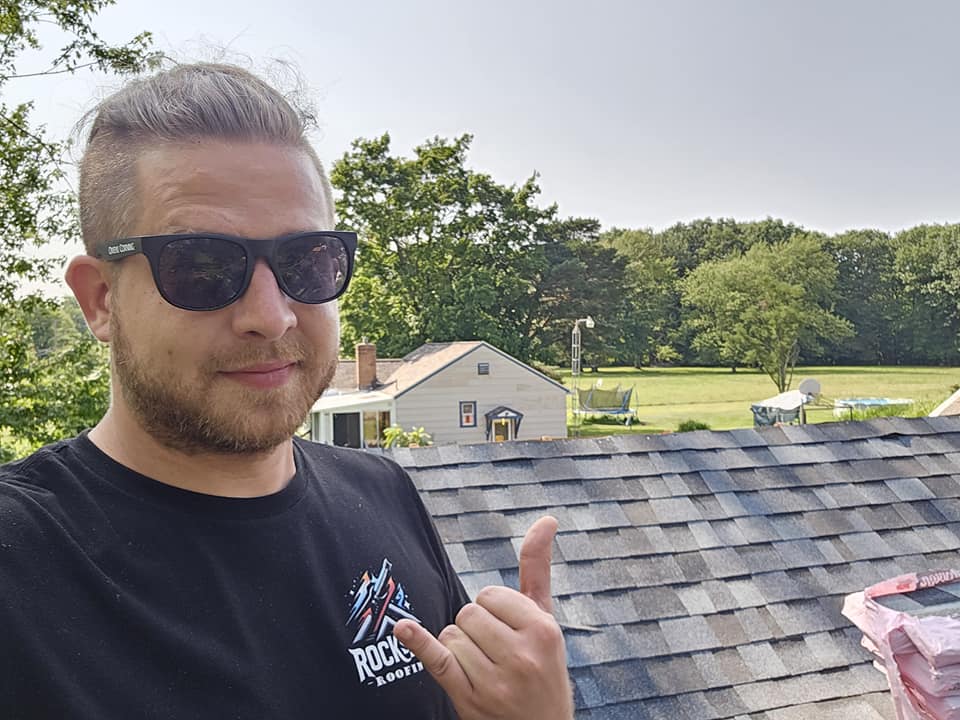
Mike Ende — Founder, Rockstar Roofing LLC
Mike Ende has 9+ years of Northeast Ohio roofing experience and founded Rockstar Roofing LLC in 2024. He is an Owens Corning Duration installer, BBB A-rated, fully insured, and personally answers the phone at (440) 645-2003. Based in Ashtabula, OH, Mike serves homeowners across Ashtabula, Lake, Geauga, Cuyahoga, Summit, and Mahoning counties.
Read Mike’s full story →This article was last reviewed and updated on May 26, 2026 by Mike Ende, founder of Rockstar Roofing LLC.