
If your roof is near the end of its life, with worn shingles, repeated repairs, or a leak you're tired of chasing, the next question is when to replace it. In Northeast Ohio, the answer is almost always fall.
I get calls year-round, and we'll install a roof whenever a homeowner needs one. But if you've got the choice, fall is the window most roofers prefer, and the reasons come down to how shingles seal.
What Temperature Do Shingles Need to Seal?
Most homeowners don't know this about asphalt shingles: they aren't finished the moment they're nailed down. Every shingle has a sealant strip, a band of adhesive that bonds it to the shingle below. That strip is heat-activated. It needs warmth and a little sun to soften, grab, and cure into a wind-tight bond. Until it seals, the shingles are just nailed in place and far more vulnerable to wind.
That's why the temperature on install day matters:
Too cold (below ~40°F) and the sealant strips won't activate on their own. The roof goes on, but the shingles don't bond until a warm day comes along, which in a Northeast Ohio winter might be months. In the meantime, wind can get under them. Cold-weather installs also make shingles stiff and brittle, so they're more likely to crack when they're bent over a ridge or cut. Proper winter installation means hand-sealing every tab with roofing cement, which adds time and cost and still isn't as clean as a natural seal.
Too hot (the dog days of summer, 90°F+ with a 160°F roof surface) and the opposite problem shows up. Shingles get soft and scuff easily under a roofer's boots, the sealant can over-activate and make handling messy, and it's brutal, slow work for the crew.
Fall sits between the two. Days in the 50-70°F range are warm enough that the sealant strips activate and cure properly within days, but cool enough that the shingles stay firm and clean to work with. The shingles bond down tight, the way the manufacturer designed them to, well before the first winter wind tests them.
Finish Before the Freeze and the Rush
The second reason is simpler. A roof finished in October is buttoned up and sealed before Northeast Ohio's first hard freeze. You go into winter protected, with a roof that's had warm days to cure.
Wait too long and you're in the worst spot: an aging roof limping through ice dams and snow load, and a contractor schedule that's jammed because everyone else waited too. Cold-weather replacement is doable, and we do it when a roof can't wait. It's harder and slower, and it needs the hand-sealing workarounds above.
Fall timing also pays off in spring. Roofs replaced in fall are fresh and fully sealed when Northeast Ohio's severe spring storm season arrives. A roof you've been nursing along for "one more year" is exactly the one that fails in an April windstorm.
Why We Install Owens Corning Duration
When we replace a roof, we put down Owens Corning Duration shingles. Nobody sponsors us to say that. It's the shingle I'd put on my own house, for three reasons specific to this climate.
First, Duration shingles have the SureNail strip, a woven fabric nailing strip across the nailing zone. It gives the nail far more grip than a standard shingle, which translates directly to wind resistance, and wind is what tears roofs apart in Northeast Ohio. Duration carries a 130 mph wind rating with the right installation.
Second, the warranty. As an Owens Corning installer, we can register the system warranty, which covers the shingles for the long haul, not just the 1-year workmanship most fly-by-night crews offer. (Worth understanding how roof warranties actually work before you sign anything.)
Third, we install the full system. A roof isn't only shingles. It's the underlayment, the ice-and-water shield at the eaves and valleys, the drip edge, the ventilation, and the flashing. Owens Corning makes a complete system designed to work together, and we install all of it, because the shingle is only as good as what's under it.
If you want the deeper comparison, we break down the options in our guide to the best roofing shingles for Northeast Ohio, and we make the honest case for asphalt over metal in most cases here too.
"But My Roof Made It Through Last Winter"
A lot of homeowners gamble on one more year. Sometimes it works. Often it's the most expensive decision they make. A roof that's visibly failing, with bald shingles, repeated leaks, or granules filling the gutters, is on borrowed time, and the failure almost never happens in nice weather. It happens in the middle of a February storm, and now you're paying for emergency interior repairs on top of the roof you needed anyway.
If you're not sure whether you're at "replace now" or "one more year," that's exactly what an inspection answers. I'll show you what I see and give you a straight read. If you've got two or three good years left, I'll tell you. There's no reason to replace a roof that isn't ready. (Here's how we think through roof repair vs. replacement.)
Get Your Roof On Before Winter
Our fall calendar fills before the first snow, and we cap how many installs we take at once to keep the workmanship right. If a fall replacement is in your plans, the time to lock your spot is now, not after the first cold snap.
Call (440) 645-2003 or request a free estimate. You'll get a written, line-itemed quote for an Owens Corning Duration roof and an honest conversation about your timing. Serving Ashtabula, Lake, Geauga, Cuyahoga, Summit, and Mahoning counties.
Sources & Further Reading
- Owens Corning Duration shingle specs
- Owens Corning. SureNail technology
- Best Roofing Shingles for Northeast Ohio
- Roof Repair vs. Replacement: How to Decide
Frequently Asked Questions
What temperature is too cold to install shingles?
Below about 40°F, the sealant strips won't activate on their own, so the shingles may not bond until a warm day, which in a Northeast Ohio winter can be months away. Cold also makes shingles stiff and brittle. A proper winter install means hand-sealing every tab with roofing cement.
Can you replace a roof in winter in Northeast Ohio?
Yes. We do cold-weather replacements when a roof can't wait. The work is harder and slower, and it needs hand-sealing because the sealant strips won't activate in the cold.
Why is midsummer not ideal for a roof replacement?
On 90°F+ days, the roof surface can reach 160°F. Shingles get soft and scuff under a roofer's boots, and the sealant can over-activate and make handling messy.
Why does Rockstar Roofing install Owens Corning Duration shingles?
Duration shingles have the SureNail strip, a woven fabric nailing strip that gives the nail far more grip. Duration carries a 130 mph wind rating with the right installation. As an Owens Corning installer, we can register the system warranty, which covers more than a 1-year workmanship warranty.
Should I wait one more year to replace my roof?
If the roof is visibly failing, with bald shingles, repeated leaks, or granules filling the gutters, waiting is a gamble. A failing roof rarely gives out in nice weather, and a February failure adds emergency interior repairs to the roof you needed anyway. If an inspection shows two or three good years left, we'll tell you.
About the Author
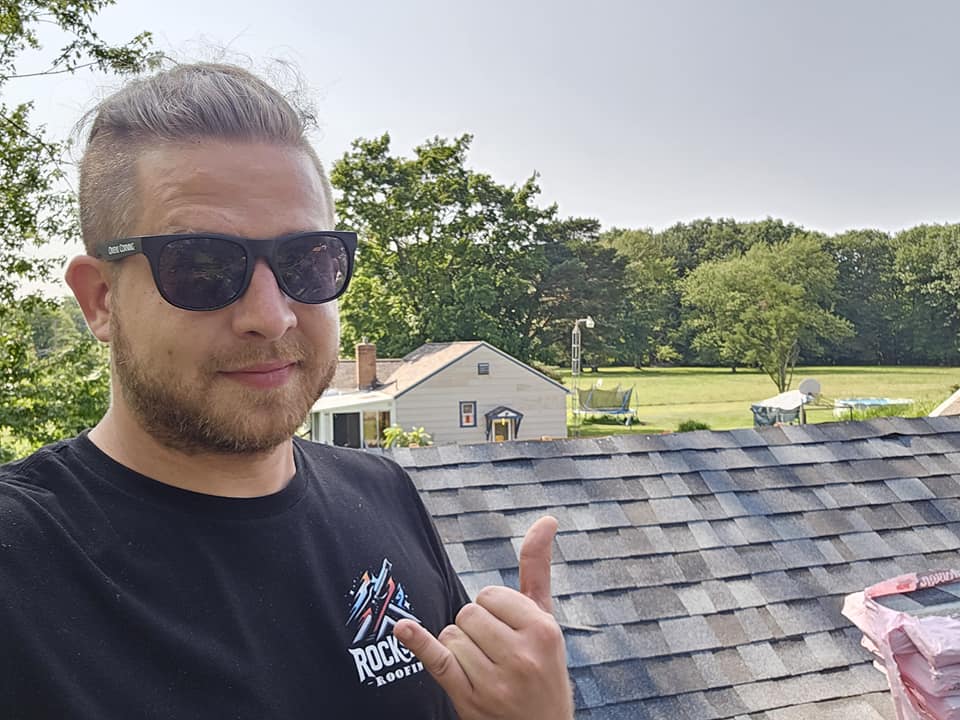
Mike Ende, Founder, Rockstar Roofing LLC
Mike Ende has 9+ years of Northeast Ohio roofing experience and founded Rockstar Roofing LLC in 2024. He is an Owens Corning Duration installer, BBB A-rated, fully insured, and personally answers the phone at (440) 645-2003. Based in Ashtabula, OH, Mike serves homeowners across Ashtabula, Lake, Geauga, Cuyahoga, Summit, Mahoning, and Stark counties.
Read Mike’s full story →This article was last reviewed and updated on November 2, 2026.