
If you got a roofing quote this fall and haven't signed, you may have told yourself, "I'll deal with it in the spring." Most of the homeowners I talk to say some version of that, and often the real reason is the belief that a roof can't be installed in winter.
That belief is mostly a myth. I'm Mike Ende. I founded Rockstar Roofing LLC, based in Ashtabula, Ohio, and I've roofed in Northeast Ohio for 9+ years. Yes, you can put a roof on in winter. It takes the right technique and some schedule flexibility, and I'll be honest about both.
Why Do People Think You Can't Roof in Winter?
Part of it is that roofing is a summer business in people's heads, and many roofers cut back once it gets cold. When a lot of companies go quiet from November to March, it's easy to assume it's because the work can't be done. Mostly the work slows down. It doesn't stop being possible.
The other part has a real kernel of truth: asphalt shingles are designed to be installed in moderate weather, and cold does change how they behave. A change in behavior doesn't mean the job can't be done. The crew has to know what to do differently.
What Changes When You Roof in Cold Weather?
Asphalt shingles have a factory sealant strip on the back. In the sun and warmth, that strip softens and bonds each shingle to the one below it, which is what locks the roof down against wind. In cold weather, that strip may not thermally activate right away. If a crew installs shingles in the cold and just walks away, those shingles can sit unsealed until it warms up.
A crew that does winter work correctly plans for the unsealed strip. In general, that means:
- Hand-sealing. Where the factory strip won't bond on its own, shingles are sealed by hand with roof cement, following the manufacturer's instructions for how much and where. Hand-sealing is slower, and it is the biggest difference between a winter install and a summer one.
- Careful handling. Shingles are stiffer and more brittle when cold, so they need to be handled and nailed with care rather than thrown around. Bundles stored somewhere sensible beat bundles left frozen on the ground.
- Proper nailing. Nail placement and depth matter in every season, but a cold, stiff shingle is less forgiving of a nail driven too hard or too high. Good crews slow down rather than rush.
- A clean, dry deck. Snow and frost come off the roof deck before anything goes down, and underlayment and ice-and-water shield go on dry. Nothing gets covered over moisture.
None of this is exotic. These steps are published manufacturer guidance and standard industry practice for cold-weather application. They need a crew that has done the work and a contractor who won't skip the slow parts to hit a deadline.
The Honest Part: What Winter Does Cost You
Winter is not identical to July. Here are the real trade-offs.
- Weather decides your schedule. Wind, snow, and freezing rain mean some days we simply don't roof. A job that takes a day or two in summer can stretch when the forecast turns. If you need your roof done on a fixed date, tell me up front and we'll talk about whether winter fits.
- The work is slower. Hand-sealing and cold-weather handling take more time. A crew that tells you winter is "exactly the same speed" isn't being straight with you.
- Some days are a no-go. If a day isn't safe or the materials won't behave, we don't force it. A roof installed badly in a hurry is worse than a roof installed a day late.
- The factory seal finishes later. Even with hand-sealing, shingles installed in the cold reach their full factory bond when warmer days arrive. A properly installed roof is built for that, but it's part of why technique matters.
If anyone promises you a flawless winter install with zero caveats, ask them how they handle sealing.
Why Winter Can Actually Be a Smart Time
There is another side, and it is why I'd rather you not default to spring.
Winter often has more room on the calendar. In spring, a lot of homeowners who waited decide at the same time, and schedules tend to fill. Winter is usually less crowded, so a roof you've been putting off since your fall quote can often be scheduled on a weather window instead of waiting in line.
Your roof is facing its hardest months. A roof that's already worn heads into lake-effect snow, freeze-thaw cycles, and ice dams with no margin left. Replacing it before the worst of that, instead of after, can be the difference between a clean spring and a ceiling stain. (More on that in our guide to ice dam prevention in Northeast Ohio.)
You stop carrying the risk. Every week you wait on a roof you already know has problems is a week you're betting on the weather.
When Waiting Until Spring Is the Right Call
I don't want to push you into a winter roof you don't need. Waiting is reasonable if:
- Your roof is in decent shape, has no leaks, and you were only getting a quote to plan ahead.
- You'd rather not have your driveway and yard torn up in the middle of a snowy stretch.
- You have a hard deadline or a project (like new siding or a re-sale date) that really needs good weather.
If you've got a leak, missing or curling shingles, or granules piling up in your gutters, waiting is the riskier move. A small leak in November becomes a wet attic by February. If you're not sure which camp you're in, start with our fall pre-winter roof checklist and our guide to roof repair vs. replacement. If something is actively failing, read what to do about emergency roof repair.
What to Ask Any Roofer About a Winter Install
Ask any roofer these questions before you sign, us included:
- How do you seal shingles when it's cold? The right answer involves hand-sealing per the manufacturer's instructions. A blank stare is your answer.
- Will the installation follow the manufacturer's written instructions, and does that protect my warranty? Get it in writing.
- What happens if the weather turns mid-job? A good contractor has a plan for drying in an exposed roof, and never leaves it open overnight.
- What's your policy on weather delays? You want to hear "we'll reschedule rather than force it."
- What does the written estimate include? Tear-off, underlayment, ice-and-water shield, drip edge, ventilation, and flashing should all be line-itemed. Our full walkthrough is in the complete Northeast Ohio roof replacement guide.
So, Can a Roof Go On in Winter?
Yes. A roof can be installed in winter in Northeast Ohio. It takes cold-weather technique, a crew that won't rush the slow parts, and a customer who understands weather will set the pace. The myth that winter roofing can't be done keeps most homeowners waiting until spring. For homeowners who don't wait, a less crowded winter calendar can be an advantage.
Get a Free Estimate
Not sure whether your roof should go on now or wait? Call (440) 645-2003 or request a free estimate. I'll look at your roof, tell you honestly whether it can wait for spring, and if it can't, lay out a written, line-itemed plan. Serving Ashtabula, Lake, Geauga, Cuyahoga, Summit, and Mahoning counties.
Sources & Further Reading
- Ice Dam Prevention in Northeast Ohio
- Fall Pre-Winter Roof Checklist
- Roof Repair vs. Replacement: How to Decide
- Emergency Roof Repair in Northeast Ohio
- Complete Northeast Ohio Roof Replacement Guide
- Shingle manufacturers' written installation instructions, which include cold-weather application guidance. Ask your contractor to show you the instructions for the product going on your roof.
Frequently Asked Questions
Can you put a new roof on in the winter?
Yes. Asphalt shingle roofs can be installed in cold weather in Northeast Ohio when the crew uses cold-weather technique. That means careful handling, and hand-sealing with roof cement per the manufacturer's instructions where the factory sealant strip hasn't bonded yet. Weather still decides which days the crew can work.
Will shingles installed in winter seal properly?
The factory sealant strip on each shingle is heat-activated, so in cold weather it may not bond right away. A correct winter install hand-seals the shingles with roof cement following the manufacturer's instructions. The factory strips finish bonding once warmer sun days arrive.
Does a winter roof installation hurt the warranty?
It shouldn't if the roof is installed to the manufacturer's written instructions, which include guidance for cold-weather application. Ask your contractor to show you those instructions. Get it in writing how the warranty is handled before you sign.
Is it better to wait until spring to replace a roof?
Not always. If your roof is leaking, missing shingles, or near the end of its life, waiting through a Northeast Ohio winter risks interior water damage on top of the roof problem. If the roof is sound and you prefer milder weather, spring is a reasonable choice, but spring schedules tend to fill up.
What happens if it snows during my roof replacement?
A good crew watches the forecast, schedules around it, and never leaves the roof open overnight. Snow comes off the deck before shingles go down. If weather turns mid-job, the exposed areas are dried in with underlayment, and the job may take a day or two longer than it would in July.
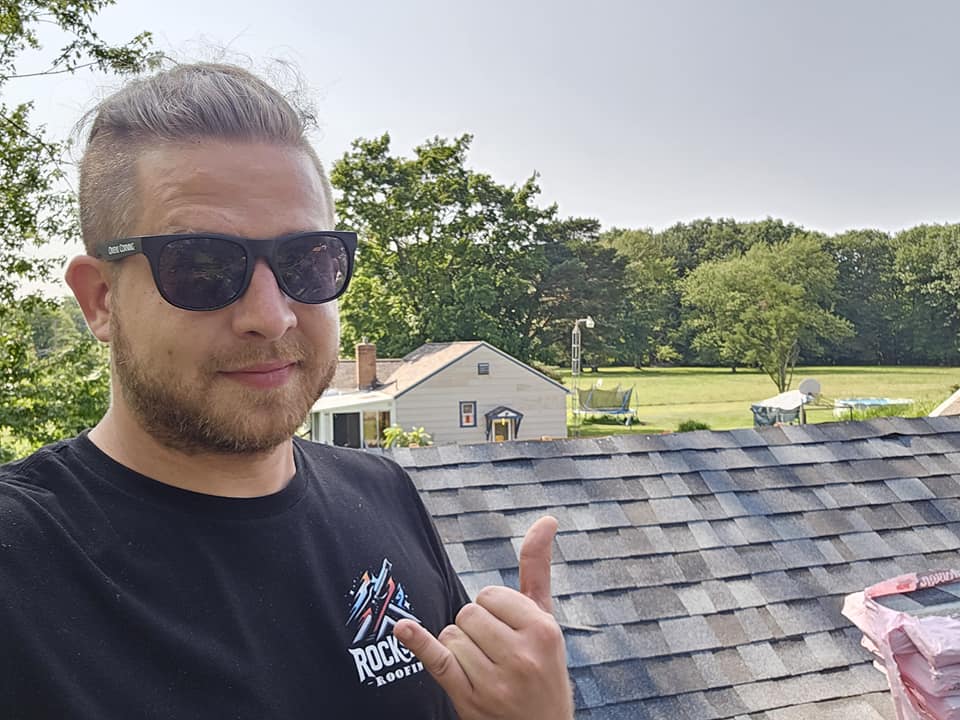
About Rockstar Roofing
Rockstar Roofing LLC, Ashtabula, Ohio
Rockstar Roofing LLC was founded in 2024 by Mike Ende, who brings 9+ years of Northeast Ohio roofing experience. We are an Owens Corning Duration installer, BBB A-rated, and fully insured. Mike answers the phone himself at (440) 645-2003. Based in Ashtabula, OH, we serve homeowners across Ashtabula, Lake, Geauga, Cuyahoga, Summit, Mahoning, and Stark counties.
Read Mike’s full story →This article was last reviewed and updated on November 2, 2026.